
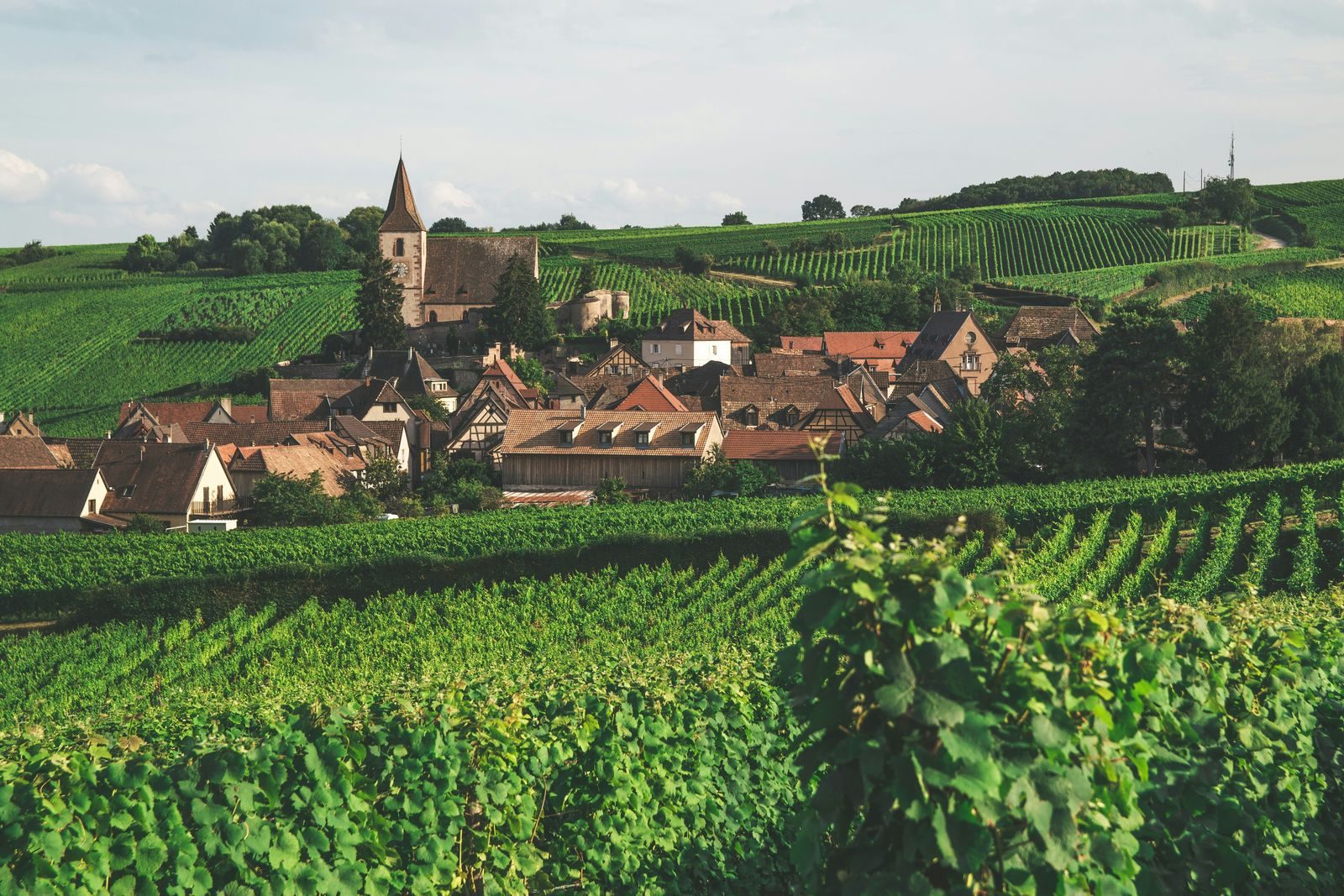
Living in rural France: the practical realities nobody warns you about
The rural French dream is a real and glorious thing — the stone house, the shutters, the woodsmoke, the space. But a country property runs on systems a town house takes for granted, and comes with rhythms and obligations that catch newcomers out: your own private sewage works, water you may have to test, heating that's a seasonal chore, hunters across the fields, and neighbours with long memories. None of it should put you off. All of it is much better known in advance. Here's the honest, practical picture of rural life — the bits the estate agent's photos leave out.
The short version
- Your house runs its own utilities — likely a fosse septiqueA private septic tank — how rural homes handle drainage where there's no mains sewer. for waste (inspected by the SPANCThe public body that inspects private septic-tank systems.), and possibly a well or spring for water. Check both before you buy.
- Heating is a real cost and a real chore — wood is cheapest, oil is being phased out, heat pumps are subsidised.
- Don't assume fibre — rural broadband is uneven; confirm the actual connection at the actual address.
- La chasse is part of life — hunting season runs September to February; wear bright colours walking, and befriend the local hunt.
- Be a good rural neighbour — France even protects the "sounds and smells" of the countryside; fit in with the rhythm and you'll be welcomed.
- Rural land carries obligations — servitudes, rights of way, water rights and a lot of upkeep. Know them before you sign.
There's a version of moving to France that's really moving to rural France — the barn, the acre, the view, the silence. It's one of the best decisions people make, and we'd never talk anyone out of it. But the countryside asks more of a house and its owner than a town does, and the gap between the estate-agent fantasy and the lived reality is filled with things nobody mentions until you're living them: the tank in the garden that's yours to maintain, the water that comes from a hole in the ground, the winter that eats firewood, the Sunday-morning shotguns. Go in knowing all of it and rural France is pure joy. Go in blind and the first autumn can be a shock. So let's take the realities honestly — first the systems that run the house, then the life around it.
The four systems that run a rural house
A town house plugs into the commune for everything. Out here, water, waste, heat and connection are substantially your own affair — and understanding them is the difference between a house that works and one that surprises you. Open each.
Not optionalThe fosse septique — your own private sewage works
No mains drains out here, so your waste goes to a fosse septique (septic tank) or a modern fosse toutes eaux. It's inspected by the commune's SPANC (Service Public d'Assainissement Non Collectif), needs emptying roughly every four years, and on a sale you must provide a conformity report less than three years old. If it's non-compliant, the buyer typically has a year to put it right — so check the SPANC report before you buy, as an upgrade runs to several thousand euros.
Check the sourceWater — mains, well or spring
Many rural homes are on eau de ville (mains) with a standing charge, but plenty rely on a private puits (well) or source (spring). Private supplies are wonderful and free of bills, but they're your responsibility: test the water before you drink it, expect it to need treatment, and know that a dry summer can mean a dry tap. Check which you're buying — and whether the well has a legal declaration.
Budget for itHeating — wood, the dying oil boiler, and heat pumps
Rural France largely heats with wood (bois) — cheapest, cosiest, and a genuine seasonal chore of ordering, stacking and feeding a poêle or insert. Old houses may run on oil (fioul), now being phased out — no new oil boilers — so factor a switch eventually. Heat pumps (pompes à chaleur) are the encouraged replacement, with real state grants (MaPrimeRénov') to help. Budget heating as a real annual cost in a big stone house.
Check the addressConnectivity — don't assume fibre
Rural fibre (la fibre) is rolling out fast but unevenly, so check the address, not the village. Where it hasn't arrived, a 4G box or satellite keeps you online, and mobile signal can change from one valley to the next. If you work from home, confirm the actual connection at the actual house before you commit — it's the modern dealbreaker.
The one to check before you buy
Get the fosse septique report before you fall in love
If you take one warning from this guide, take this: the fosse septique is the single most expensive rural surprise. A non-compliant system can cost several thousand euros to replace, and on a sale the SPANC conformity report is a required part of the diagnostics pack — so it exists, and you're entitled to see it. Read it before you're emotionally committed to the house, not after. The same goes for the water arrangement and the servitudes: these are cheap to check and painful to discover. A rural house rarely has hidden charm problems; it has hidden plumbing problems, and they're all knowable in advance.
A rural house needs the right insurance
Stone barns, a fosse septique, a wood-burner, outbuildings and a lot of land change the insurance picture entirely — as do wells, pools and the wildfire risk in the south. Make sure your assurance habitation actually reflects a rural property and its outbuildings, not a suburban semi.
The life around the house
Beyond the bricks and pipes, rural France comes with a culture and a calendar — some of it charming, some of it requiring a little adjustment from a British town-dweller. Open each.
Sept–FebLa chasse — living with the hunt
Hunting (la chasse) is woven into rural French life, with a season running roughly September to February and Sundays a common hunting day. It's usually well-organised and safe, but in season it's wise to wear bright colours when walking and keep dogs close. Hunters may have traditional rights of access across land, including possibly yours; if that troubles you, there are legal routes to oppose hunting on your own property, but they're involved. Mostly, a friendly relationship with the local société de chasse smooths everything.
The unwritten ruleBeing a good rural neighbour
Country France runs on neighbourliness and long memory. Say bonjour to everyone, go to the village fête, accept the offered apéro, and don't be the newcomer who complains about cockerels, church bells, cowbells or the smell of a working farm — France even passed a law protecting the sons et odeurs of the countryside after too many such rows. Fit in with the rhythm and a rural village will quietly fold you in.
Know the servitudesThe land itself — hedges, wells, rights of way
Rural property comes with rural obligations: hedge and boundary (bornage) etiquette, shared tracks and rights of way (servitudes), well and water rights, and the upkeep of a lot more ground than a town garden. Before buying, understand exactly what the servitudes on the property are — who can cross your land, and whose you can cross — because these run with the land, not the owner.
Buying a rural place and unsure what you're taking on?
The fosse septique report, the water rights, the servitudes, the heating bills, the fibre that isn't there — the realities of a rural home are exactly what a viewing hides. Pimpernel can help you ask the right questions before you sign, so the dream house doesn't come with a nasty surprise underground.
So — is rural France worth it?
Overwhelmingly, for the right person, yes. The people who thrive are the ones who went in clear-eyed: who read the fosse report, tested the well, budgeted the firewood, learned to wave at the hunters and turned up to the village fête. The countryside rewards that realism with something increasingly rare — space, quiet, a genuine community, and a life lived at the pace of the seasons. The ones who struggle are usually the ones who bought the view and ignored the plumbing, or who expected a French village to be a British suburb with better weather. It isn't, and that's the whole point. Understand what a rural house actually asks of you, say yes with your eyes open, and you'll have made one of the great trades of your life.
The rural house has a maintenance calendar all its own
The fosse emptied on schedule, the wood ordered before autumn, the chimney swept (ramonage, and legally required), the SPANC inspection, the gutters and the grounds. Pimpernel Life keeps a rural home's seasonal jobs and legal checks on a dated plan, so nothing important is left until it's a problem.
- Rural maintenance calendar
- Fosse & ramonage reminders
- The buying & insurance guides
- Every Library guide, in depth
Buying the rural dream?
The notaire, the fees, the diagnostics and the whole process for British buyers — our buying guide walks you through it before you sign.
Read: buying property in France →Letting a corner of it?
Many rural places pay their way as a gîte. Our honest guide covers the models, the tax and whether it's really worth it.
Read: running a gîte or chambres d'hôtes →Straight from the source
For the official rules behind rural life — water, waste, land and local services — service-public.fr is the government’s definitive reference.
The rules, costs and obligations here — SPANC inspections, fosse requirements, heating grants, hunting seasons and rural rights — are current for 2026 and drawn from official and lived sources, but they vary by department and property, and each house is different. Pimpernel are not surveyors, notaires or SPANC inspectors. Confirm the specifics of any property with the diagnostics pack, the notaire and the mairie before you buy. This guide is general, practical information.